Structure — 6 min read
The balloon nobody mentions
A thirty-year amortisation with a ten-year term repays about a fifth of the principal. The rest is due on a Tuesday.
August 12, 2026

Residential borrowers have one clock. They borrow for thirty years, they pay for thirty years, and at the end they owe nothing. Commercial borrowers have two clocks running at different speeds, and the gap between them is the single most consequential feature of the loan.
Two clocks
The amortisation is the schedule the payment is calculated on — usually twenty-five or thirty years. The term is when the loan matures — usually five, seven or ten. On the maturity date the entire remaining balance is due, and on a thirty-year amortisation ten years in, that balance is around 82% of what was borrowed.
What that means in practice
It means every commercial loan has a refinancing event built into it, and the terms of that refinancing are unknown when the loan is written. A property that comfortably covered debt at 5% may not cover it at 7.5%, and the maturity date does not move to accommodate that.
How to hold it
- Match the term to the lease term where you can. A ten-year loan behind eleven years of lease is a very different risk from a ten-year loan behind four.
- Know the prepayment structure before you need it. Yield maintenance and defeasance can make an early refinance uneconomic even when rates fall.
- Model the balloon at a rate you do not like. If the property cannot refinance at 200 basis points above today, the term is too long or the loan is too big.
Written for a demonstration site. Chordline Commercial Capital is fictional and every figure quoted above is illustrative rather than observed.Full disclosures.
More notes
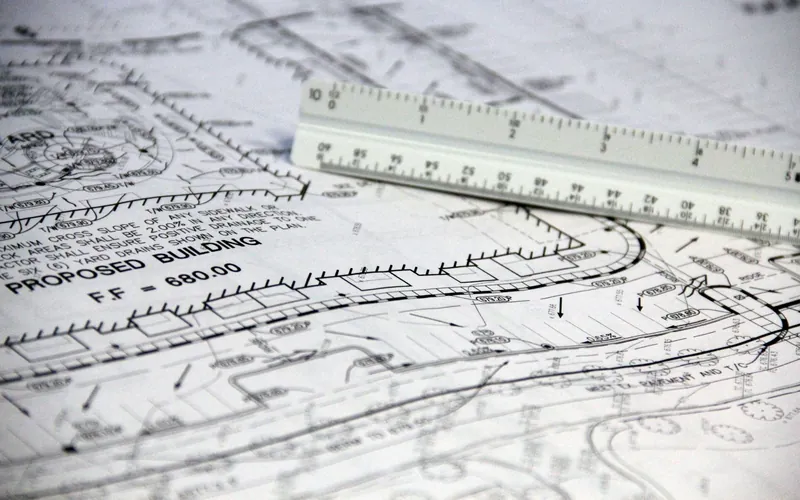 SizingThe constraint that bindsThree tests decide the size of a commercial loan. Knowing which one is stopping you is worth more than knowing all three.
 UnderwritingReading a T-12 the way an underwriter doesThe operating statement you send and the operating statement a credit committee reads are not the same document.
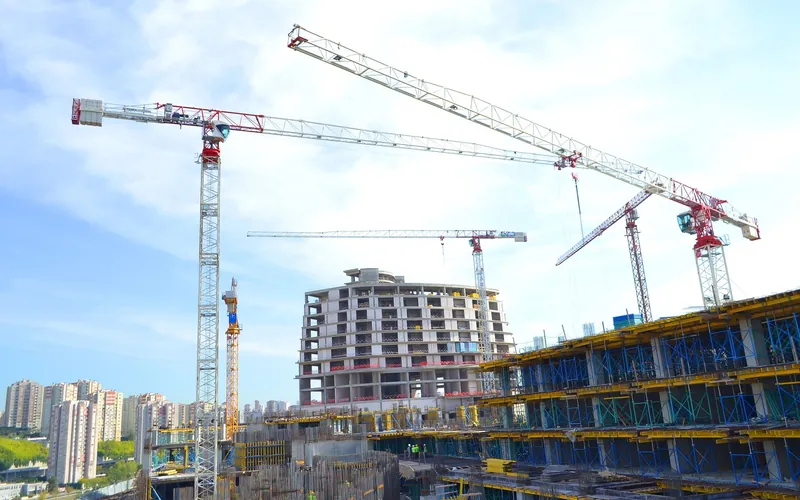 TransitionalBridge debt is a date, not a rateThe interesting number on a bridge loan is not the coupon. It is the day the loan is due and whether anything retires it.